



Clean Goa, Green Goa: Why Cleanliness Has Become Goa's Most Valuable Infrastructure
- Umang
- 3 days ago
- 4 min read

There was a time when Goa sold itself almost effortlessly. The promise of endless beaches, swaying coconut palms, Portuguese-era streets, seafood shacks and a relaxed way of life was enough to make it one of Bharat's most desirable destinations. But tourism has evolved. Today's traveller judges a destination not only by what nature has gifted it, but by how effectively that gift is protected. The first impression is no longer created by a postcard sunset; it begins at the airport, continues through the highways, markets and beaches, and is reinforced by the cleanliness of public spaces. In an economy where perception translates directly into visitor spending, cleanliness is no longer a cosmetic issue—it is economic infrastructure.
This shift is changing how successful destinations around the world approach governance. Roads, airports and bridges remain important, but equally significant are waste collection systems, public sanitation, environmental management and civic maintenance. These are invisible systems when they work well, yet they define the everyday experience of millions. For Goa, whose economy is closely linked with tourism and hospitality, the value of a clean environment extends far beyond aesthetics. It influences public health, investor confidence, tourism competitiveness and ultimately the state's long-term sustainability.
The phrase "Clean Goa, Green Goa" therefore represents more than a public campaign. It reflects an understanding that environmental stewardship and economic development are complementary rather than competing objectives. The Goa Tourism Policy explicitly recognises that tourism infrastructure includes waste management systems, public amenities and supporting civic infrastructure alongside traditional investments such as roads and accessibility. The message is straightforward: protecting the destination is part of developing the destination.
Global tourism itself is undergoing a transformation. Visitors increasingly seek authentic, sustainable and well-managed experiences instead of destinations struggling under the pressure of overcrowding and poor civic maintenance. Recognising this trend, Goa has progressively embraced ideas of sustainable and regenerative tourism, emphasising responsible waste management, biodiversity protection and preservation of local character. Rather than measuring success solely through visitor numbers, the conversation is shifting toward the quality of the visitor experience and the resilience of local ecosystems.
This evolution matters because tourism is fundamentally an industry of impressions. Unlike manufacturing, where value is embedded in a physical product, tourism depends on emotions, memories and reputation. A traveller who encounters clean beaches, organised public spaces and efficient civic services becomes an ambassador for the destination. Positive experiences spread quickly through photographs, online reviews and word of mouth. Conversely, littered public spaces or unmanaged waste can undermine years of marketing investment in a matter of moments. In the digital era, a single image often shapes perceptions more powerfully than an advertising campaign.
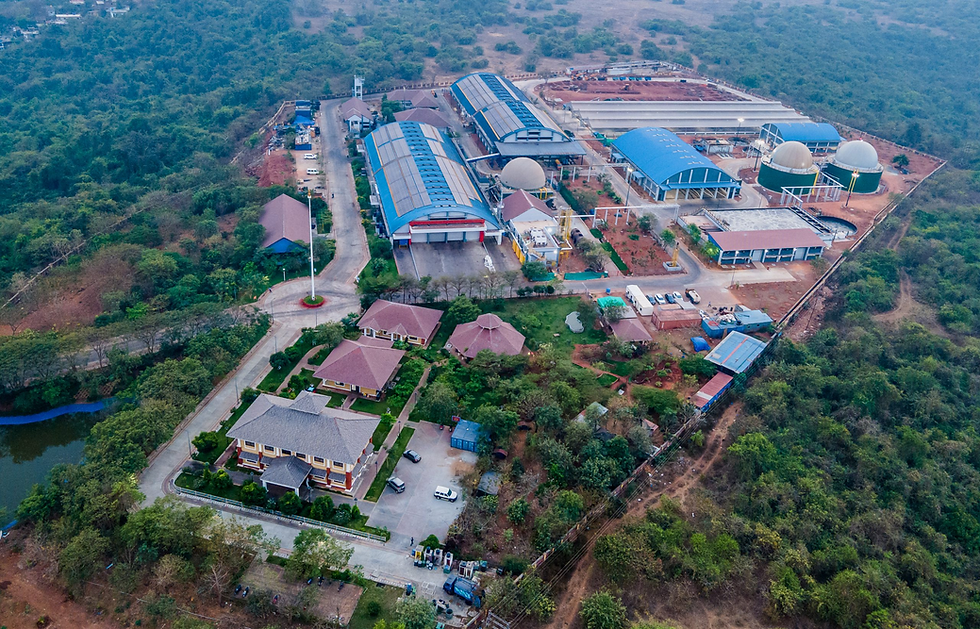
Recognising this reality, the Government of Goa has continued to institutionalise beach cleaning and waste management operations. In 2025, the tourism department appointed a contractor responsible for comprehensive cleanliness services across 51 nominated beach stretches in North and South Goa. The scope extends beyond simply collecting litter; it includes collection, segregation, transportation and disposal of waste, with cleaning conducted daily in multiple shifts. Such systems illustrate that cleanliness depends on organised governance mechanisms rather than occasional drives.
The importance of these efforts becomes even clearer when one considers the sheer diversity of Goa's coastline. From heavily visited beaches such as Calangute and Baga to quieter stretches in Canacona and Pernem, maintaining environmental quality requires constant coordination among tourism authorities, local bodies, sanitation workers, businesses and citizens. Governance in this context is not a single policy announcement but a continuous operational exercise carried out every day before visitors arrive and long after they leave.
Research on sustainable tourism in Goa reinforces this connection between environmental quality and economic sustainability. Academic studies examining tourist perceptions have found that environmental sustainability forms a central pillar of the long-term viability of Goa's tourism sector alongside economic and social sustainability. Clean public spaces are therefore not merely desirable amenities; they are strategic assets that help protect the state's competitive advantage.
The significance extends beyond tourism. Cleaner public environments contribute to healthier communities by reducing unmanaged waste, improving sanitation conditions and encouraging greater civic participation. Environmental governance creates positive spillover effects for urban planning, public health and quality of life. When residents experience well-maintained public spaces, confidence in civic systems tends to strengthen, fostering a culture where responsibility is increasingly shared between institutions and citizens.
Goa's emerging approach also reflects a broader international conversation. The Goa Roadmap adopted during the G20 tourism discussions positioned tourism as a vehicle for achieving sustainable development objectives, recognising that environmental protection and economic prosperity can reinforce one another rather than exist in conflict. For a destination whose identity is inseparable from its natural beauty, this philosophy is particularly relevant.
The real measure of "Clean Goa, Green Goa" therefore lies not in slogans but in systems. A destination remains attractive when its governance quietly ensures that beaches are cleaned before dawn, waste is segregated after collection, public amenities function effectively and environmental standards become part of everyday administration. Visitors may never notice these systems individually, but together they shape the experience they remember and recommend.
In the decades ahead, Goa's strongest competitive advantage may not simply be its coastline or its heritage. Those assets already exist. The differentiator will be how successfully governance preserves them while accommodating growth. Cleanliness, once treated as a municipal obligation, is increasingly emerging as strategic infrastructure that supports tourism, strengthens public health and safeguards the identity of the state itself. In that sense, a cleaner Goa is not merely a greener Goa—it is a stronger, more resilient and more prosperous Goa.


Comments