


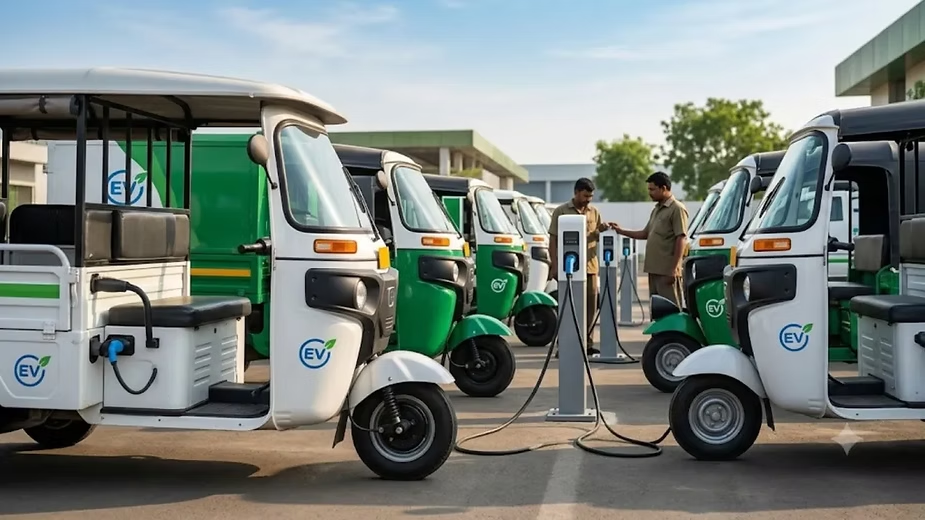
Major relief for motorcycle pilots and auto-rickshaw operators; 70 new EV charging stations also proposed
Panaji, July 2026: In a significant step towards clean mobility, the Goa Government is working to promote electric vehicles while also improving the livelihoods of commercial transport operators. Following a high-level review meeting on the State Energy Transition Plan chaired by Hon’ble Chief Minister Dr. Pramod Sawant, a proposal has been put forward to provide a subsidy of up to 50% on the purchase of electric vehicles for licensed motorcycle pilots and auto-rickshaw operators. This initiative is expected to reduce the operational costs arising from rising fuel prices and provide greater financial support to commercial transport operators.
Goa’s clean mobility initiative is not limited to promoting environmentally friendly transportation. It has the potential to bring about a structural transformation in the economics of the commercial transport sector. Rising petrol and diesel prices have significantly impacted the daily earnings of motorcycle pilots and auto-rickshaw operators. In such a scenario, the transition to electric vehicles could substantially reduce fuel expenditure and also bring down vehicle maintenance costs. Read also: Goa’s Iconic Motorcycle Pilots Are Entering the Digital Age. Here’s Why the Majhe Driver App Could Transform Everyday Commuting
Financial Relief for Commercial Transport Operators
For commercial transport operators, daily fuel expenditure constitutes a significant component of their operational costs. Fluctuations in petrol and diesel prices directly affect their monthly incomes. The use of electric vehicles could reduce fuel costs and provide operators with greater stability in their daily earnings.
The initial purchase cost of EVs may be higher than that of conventional vehicles. However, the proposed subsidy of up to 50% could significantly reduce this initial financial burden. This could make the adoption of electric vehicles more accessible for licensed motorcycle pilots and auto-rickshaw operators.
Charging Infrastructure to Support EV Adoption
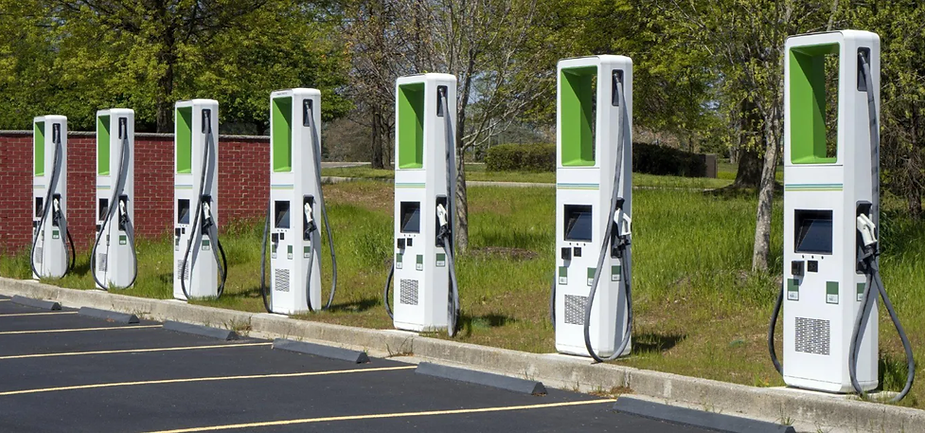
Financial incentives alone are not sufficient to increase the adoption of electric vehicles. A strong charging infrastructure is equally essential. Keeping this in view, the Government has proposed the establishment of 70 new electric vehicle charging stations in Goa under the PM E-Drive Scheme.
The expansion of charging stations will reduce uncertainty among commercial vehicle operators regarding access to charging facilities. It will also make route planning easier and make electric mobility more practical for operators who spend long hours on the road.
The simultaneous focus on financial support for vehicle purchases and the expansion of charging infrastructure reflects the Government’s comprehensive approach towards developing the EV ecosystem.
Future Opportunities for the Taxi Sector
At present, the proposed EV subsidy is intended for licensed motorcycle pilots and auto-rickshaw operators. However, the broader policy direction could also have significant implications for Goa’s taxi sector.
The expansion of charging infrastructure, lower operating costs of EVs and growing consumer acceptance could make electric vehicles an increasingly viable option for taxi operators in the future.
For a tourism-dependent state like Goa, cleaner commercial transportation is closely aligned with the concept of sustainable tourism. As awareness of environmentally responsible travel grows among domestic and international tourists, an EV-based transport network could further strengthen Goa’s identity as a ‘Green Tourism Destination’. Read also: How Goa Quietly Rebuilt Its Education System in Just Five Years
Clean Mobility to Drive Employment Growth
The growth of EV adoption is expected to have an impact beyond the transportation sector. New opportunities could emerge in electric vehicle dealerships, charging infrastructure, vehicle servicing, battery maintenance, technical services and associated supply chains.
The expansion of the EV ecosystem could also attract investment in Goa’s clean energy sector. Reducing dependence on fossil fuels would further contribute to the State’s long-term objectives of energy security and sustainability.
Accelerating the Energy Transition Alongside Clean Mobility
The Goa Government’s broader Energy Transition Plan also includes several important measures beyond clean transportation. Directions have been issued to formulate a policy for the phased replacement of diesel generator sets used by industrial and commercial establishments with cleaner alternatives.
The use of Battery Energy Storage Systems (BESS), solar power with battery storage and gas-based systems, where feasible, is being considered. In addition, efforts are also underway to retrofit CNG engines in Kadamba Transport Corporation’s diesel buses that are approximately 10 years old.
“Clean Mobility is also a direction for economic reform” : Chief Minister Dr. Pramod Sawant

Goa’s energy transition is not limited to environmental protection. It is also aimed at making the State’s economy more sustainable and energy-efficient. The Government’s policy approach seeks to reduce the operational costs of commercial transport operators, provide greater stability to their incomes, promote the use of clean energy and create a modern transportation system.
Clean mobility is not merely a concept related to environmentally friendly transportation. It is closely linked to the livelihoods of transport operators, the tourism sector, employment generation and Goa’s long-term economic development. The proposed EV subsidy, the expansion of charging infrastructure and other energy transition measures together indicate that Goa is moving towards building a cleaner, more energy-efficient and economically sustainable transportation ecosystem.
Giving Goa’s Transport Sector a New Direction
The proposed EV subsidy scheme, the expansion of 70 new charging stations and the broader energy transition measures clearly reflect the Goa Government’s approach. The policy seeks to promote clean transportation while balancing the needs of commercial transport operators, the tourism sector, employment generation and the State’s energy security.
If implemented effectively, these initiatives could position Goa as a national model for integrating clean mobility with economic empowerment. Beyond its environmental benefits, the transition to electric mobility has the potential to strengthen livelihoods, support sustainable tourism, generate employment and build a more resilient transport economy.